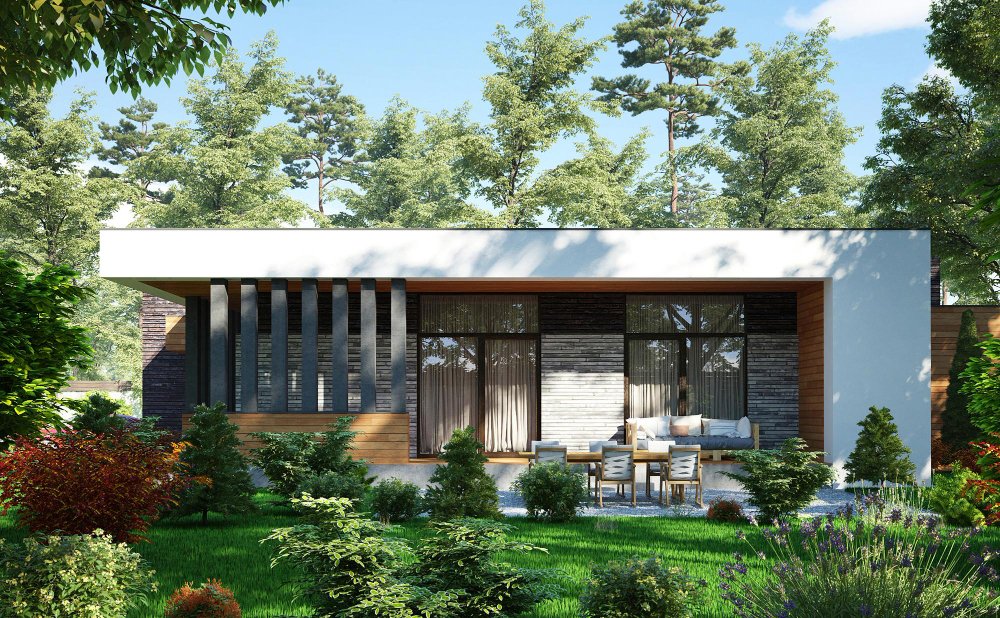
ADU & Additions: Expanding the Way We Live, One Space at a Time
A home should evolve with the people who live in it. This book chapter-style essay explores the philosophy behind ADU & Additions, showing how thoughtful home expansions create adaptable,...
Every home tells a story. Some stories begin with a modest floor plan and gradually unfold as families grow, careers evolve, and lifestyles change. Others begin with ambitious visions that eventually encounter practical limitations—limited square footage, changing household dynamics, or the desire to remain rooted in a beloved neighborhood rather than relocate. In either case, the home becomes more than a structure; it becomes a living record of adaptation.
For many California homeowners, ADU & Additions represent far more than construction projects. They symbolize an investment in possibility. An extra room may become a private office today, a guest suite tomorrow, and eventually a comfortable residence for an aging parent or an independent young adult. Space, when designed thoughtfully, possesses a remarkable ability to evolve alongside the people who inhabit it.
“The most enduring homes are not those that remain unchanged, but those that continue to grow with the lives unfolding inside them.”
Architecture has always been an expression of human need. Ancient settlements expanded as communities flourished. Historic homes were enlarged to accommodate new generations, changing occupations, and shifting cultural expectations. Modern residential design continues this tradition, recognizing that permanence and flexibility are not opposing ideas but complementary principles. A well-designed home provides stability while remaining capable of transformation.
Chapter One: The Architecture of Growth
Growth rarely announces itself all at once. More often, it arrives gradually—a child requiring a quiet place to study, grandparents moving closer to family, remote work becoming a permanent reality, or homeowners discovering that their current floor plan no longer supports the rhythms of daily life. These moments reveal an important truth: the most successful homes are designed not merely for the present but for the future.
Additional space has never been solely about increasing square footage. It is about expanding opportunity. Every new room introduces possibilities that extend well beyond its physical dimensions. A thoughtfully designed addition can create privacy where there was once congestion, organization where clutter previously accumulated, and comfort where compromise once prevailed.
Residential expansion also reflects broader social and economic patterns. California, in particular, has witnessed increasing interest in flexible housing solutions that allow homeowners to maximize existing property while responding to changing household needs. Rather than leaving established communities, many families choose to reimagine the homes they already love. In doing so, they preserve neighborhood connections while creating spaces that better support contemporary living.
Professional ADU Construction & Expansions have become central to this evolution. They provide homeowners with opportunities to introduce independent living spaces, enlarge primary residences, improve functionality, and enhance long-term property value without sacrificing the character of the original home.
Perhaps the greatest strength of residential additions lies in their versatility. A room designed today with one purpose may serve entirely different functions over the coming decades. This adaptability distinguishes thoughtful architecture from temporary solutions. While furniture may change and technology may evolve, flexible design continues to serve each new chapter with quiet reliability.
“Every meaningful addition begins not with concrete or lumber, but with a deeper understanding of how people truly live.”
The planning process therefore becomes an act of observation rather than simple construction. Designers study circulation patterns, natural light, existing architectural language, and future household needs. Builders translate those observations into structural reality. The result is not merely an expanded building but a home that feels increasingly complete.
Chapter Two: Building for Tomorrow Without Leaving Today
There is a subtle elegance in extending a familiar home instead of replacing it. Renovation respects memory while embracing progress. The front door remains recognizable, familiar windows continue framing beloved views, and daily routines retain their comforting rhythms even as new possibilities emerge beyond freshly constructed walls.
Modern residential design recognizes that longevity depends upon flexibility. Homes designed with adaptability in mind respond more gracefully to life’s inevitable transitions. Children grow, careers shift, retirement introduces different priorities, and multigenerational living becomes increasingly common. Architecture that anticipates these changes remains relevant far longer than architecture designed only for immediate needs.
This philosophy explains the growing popularity of Accessory Dwelling Units & Extensions. These additions provide homeowners with remarkable versatility. They may function as private guest accommodations, independent residences for extended family members, creative studios, rental opportunities where permitted, or dedicated workspaces removed from the distractions of the main household. Few residential investments offer such a broad range of potential uses over time.
Equally important is the relationship between expansion and design continuity. Successful additions rarely announce themselves as separate structures. Instead, they appear as though they have always belonged to the original home. Materials, rooflines, window proportions, and interior transitions work together to preserve architectural harmony while introducing new functionality.
This continuity extends beyond appearance. Efficient circulation, balanced natural lighting, thoughtful storage solutions, and carefully integrated mechanical systems ensure that expanded homes operate as unified environments rather than disconnected collections of rooms. The most successful projects feel inevitable, as though the house itself had quietly anticipated its own evolution.
Ultimately, homes endure because they remain capable of change. Walls may be extended, foundations strengthened, and new living spaces carefully woven into familiar surroundings, but the deeper purpose remains constant: creating environments that support the people who call them home. Every addition becomes another chapter in an ongoing narrative—a reflection of changing aspirations, growing families, and enduring connections to place.
“The finest homes are never defined by their size alone. They are defined by their ability to welcome every new season of life with grace, purpose, and room to grow.”
Seen through this perspective, residential expansion is not simply an investment in property. It is an investment in continuity, resilience, and the belief that the spaces we inhabit should evolve as thoughtfully as the lives unfolding within them. A carefully planned addition does more than increase square footage—it preserves memories, creates opportunities, and prepares a home for generations yet to come.
You don’t need a luxury budget to create a beautiful kitchen. This article reveals how to make cheap kitchen cabinets look custom and curated using a minimalist, clean design...
Thinking about replacing your windows? This FAQ guide answers common homeowner questions about replacement windows, professional installation, energy efficiency, materials, maintenance, and what to expect during a window replacement...
Selecting the right granite countertop involves more than choosing a color. This comparative guide examines granite countertops, granite surface countertops, and natural granite countertops, helping homeowners evaluate performance, customization,...
Thinking of remodeling your home? Don’t start without a solid plan. This article walks you step-by-step through the full remodeling process—from goal setting and budgeting to hiring contractors, designing...
Choosing the right countertop involves more than appearance. This data-driven guide examines countertop materials, installation considerations, durability, maintenance requirements, and long-term value to help homeowners make informed decisions for...
Exterior remodeling helps homeowners create modern, durable, and visually sophisticated homes tailored to contemporary living. This guide explores siding upgrades, window replacement trends, modern exterior materials, and renovation ideas...
Not sure which shower renovation option is right for your home? This comprehensive comparison explores shower replacement, shower installation replacement, and new shower installation, helping you evaluate costs, customization,...
Struggling with cluttered media equipment and limited storage? This problem-solution guide explains why these issues occur, highlights common design mistakes, and explores how a custom entertainment center can transform...
Selecting the right granite countertop involves more than choosing a color. This comparative guide examines granite countertops, granite surface countertops, and natural granite countertops, helping homeowners evaluate performance, customization,...


 Fine Line Remodel & Handyman