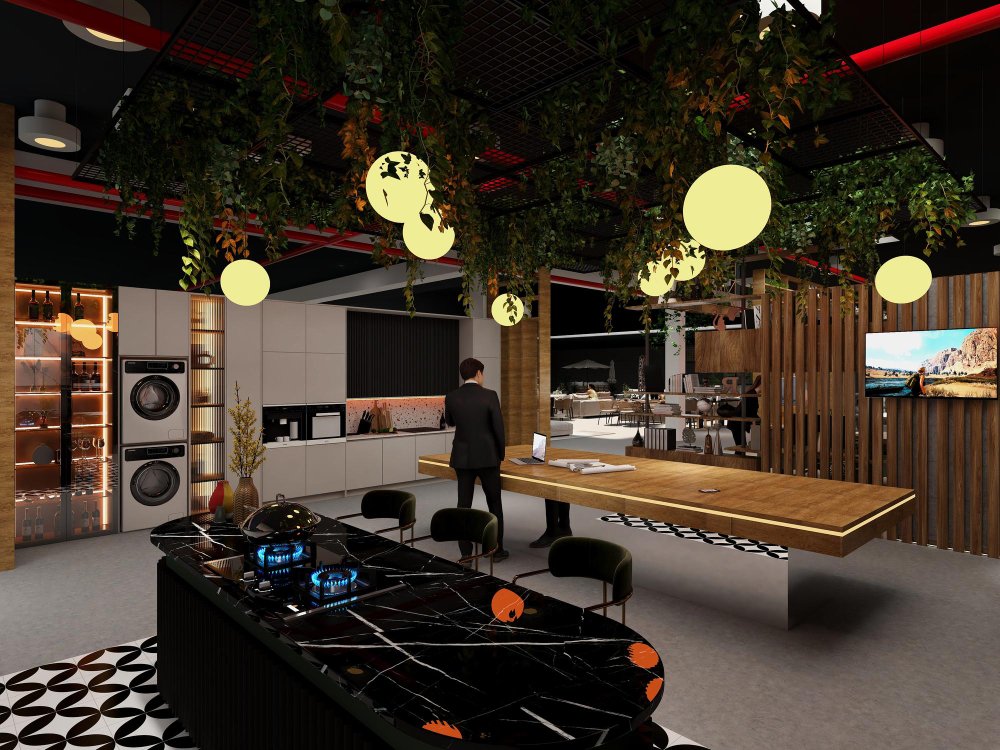
Solving Living Room Storage and Design Challenges with a Custom Entertainment Center
Struggling with cluttered media equipment and limited storage? This problem-solution guide explains why these issues occur, highlights common design mistakes, and explores how a custom entertainment center can transform...
The living room has evolved into more than just a place to watch television. It often serves as a family gathering area, entertainment hub, home office extension, and social space. As technology, storage needs, and interior design trends continue to change, many homeowners discover that standard furniture no longer provides the organization or functionality they need.
A professionally designed custom entertainment center offers an effective solution by combining storage, technology integration, and personalized design into a single built-in feature. This guide explores the most common living room challenges, explains why they occur, and provides practical solutions for creating a cleaner, more functional entertainment space.
The Problem
PROBLEM
Living rooms frequently become cluttered with televisions, streaming devices, gaming consoles, speakers, books, decorative items, and visible cables. Standard furniture often lacks the storage capacity and flexibility needed to organize these components efficiently.
As entertainment systems grow more sophisticated, homeowners often struggle to balance technology with aesthetics. Open shelving may become overcrowded, while oversized furniture can overwhelm smaller rooms. Poor organization not only affects visual appeal but can also reduce functionality and make routine cleaning more difficult.
Before Example
Visible cords and power strips
Limited storage for electronics
Crowded shelving
Mismatched furniture pieces
Unused wall space
After Example
Hidden cable management
Dedicated storage compartments
Balanced room layout
Integrated shelving
Clean, cohesive appearance
Why It Happens
Many living rooms were originally designed before today’s entertainment technology became standard. As televisions have become larger and households have added multiple electronic devices, existing furniture has often failed to keep pace.
Generic entertainment stands are designed to accommodate a wide range of homes rather than the unique dimensions of a specific room. This often results in wasted wall space, insufficient storage, and exposed wiring. In addition, families frequently accumulate books, media collections, decorative accessories, and gaming equipment that exceed the capacity of traditional furniture.
COMMON CAUSES
Growing number of entertainment devices
Limited built-in storage
Poor cable management
Furniture that doesn’t match room dimensions
Changing household storage needs
Common Mistakes
Even well-intentioned homeowners can unintentionally create long-term design and storage problems during a renovation.
Selecting furniture based only on appearance
Ignoring ventilation requirements for electronic equipment
Leaving cables exposed
Failing to plan for future technology upgrades
Overloading open shelving with decorative items
Choosing storage solutions that do not maximize available wall space
Another common mistake is treating storage, display, and electronics as separate design elements rather than integrating them into a cohesive solution.
The Solution
SOLUTION
A professionally designed custom media center combines storage, technology management, and architectural design into a single functional installation tailored to the room’s exact dimensions and the homeowner’s lifestyle.
Custom-built solutions allow every inch of available wall space to be used efficiently. Cabinets can conceal electronics, shelves can display decorative items, and dedicated compartments can organize gaming systems, speakers, and accessories while maintaining a clean appearance.
Many homeowners also choose integrated lighting, adjustable shelving, soft-close cabinetry, and concealed wiring systems that simplify maintenance while enhancing the overall design.
Before Example
Multiple furniture pieces
Visible electronics
Limited storage
Disorganized accessories
After Example
Built-in organization
Hidden technology
Improved storage capacity
Streamlined room design
Best Practices
BEST PRACTICES
Plan storage around current and future technology.
Include dedicated cable management pathways.
Allow adequate ventilation for media equipment.
Balance open shelving with enclosed cabinetry.
Select durable finishes suitable for everyday use.
Incorporate flexible storage for evolving household needs.
Homeowners seeking a premium built-in solution often consider custom TV wall units to create a focal point that combines entertainment, storage, and architectural style. These systems maximize vertical wall space while providing a polished appearance that integrates naturally with the surrounding room.
Ultimately, the most successful entertainment centers solve multiple challenges simultaneously. By reducing clutter, improving organization, concealing technology, and enhancing aesthetics, a thoughtfully designed custom solution transforms the living room into a more comfortable, functional, and visually cohesive space that can adapt to changing family needs for years to come.
Not sure which shower renovation option is right for your home? This comprehensive comparison explores shower replacement, shower installation replacement, and new shower installation, helping you evaluate costs, customization,...
Exterior remodeling helps homeowners create modern, durable, and visually sophisticated homes tailored to contemporary living. This guide explores siding upgrades, window replacement trends, modern exterior materials, and renovation ideas...
Selecting the right granite countertop involves more than choosing a color. This comparative guide examines granite countertops, granite surface countertops, and natural granite countertops, helping homeowners evaluate performance, customization,...
Selecting the right granite countertop involves more than choosing a color. This comparative guide examines granite countertops, granite surface countertops, and natural granite countertops, helping homeowners evaluate performance, customization,...
Planning a kitchen renovation? This practical guide walks you through every stage of kitchen plumbing, from layout planning and pipe installation to final inspections and water line testing. Get...
Thinking of remodeling your home? Don’t start without a solid plan. This article walks you step-by-step through the full remodeling process—from goal setting and budgeting to hiring contractors, designing...
Choosing the right countertop involves more than appearance. This data-driven guide examines countertop materials, installation considerations, durability, maintenance requirements, and long-term value to help homeowners make informed decisions for...
You don’t need a luxury budget to create a beautiful kitchen. This article reveals how to make cheap kitchen cabinets look custom and curated using a minimalist, clean design...


 Fine Line Remodel & Handyman